
Understanding the Benefits of Hijama (Cupping Therapy) in East London
- Jan 27
- 4 min read
Hijama therapy, also known as cupping therapy, is a traditional wellness practice rooted in Sunnah and followed for centuries as part of holistic wellbeing. In East London, hijama is increasingly sought by individuals looking for natural, non-invasive wellness support that aligns with Islamic teachings. The purpose of this article is to provide clear and trustworthy information about hijama therapy, with a strong focus on safety, hygiene, and client comfort.
What Is Hijama Therapy?
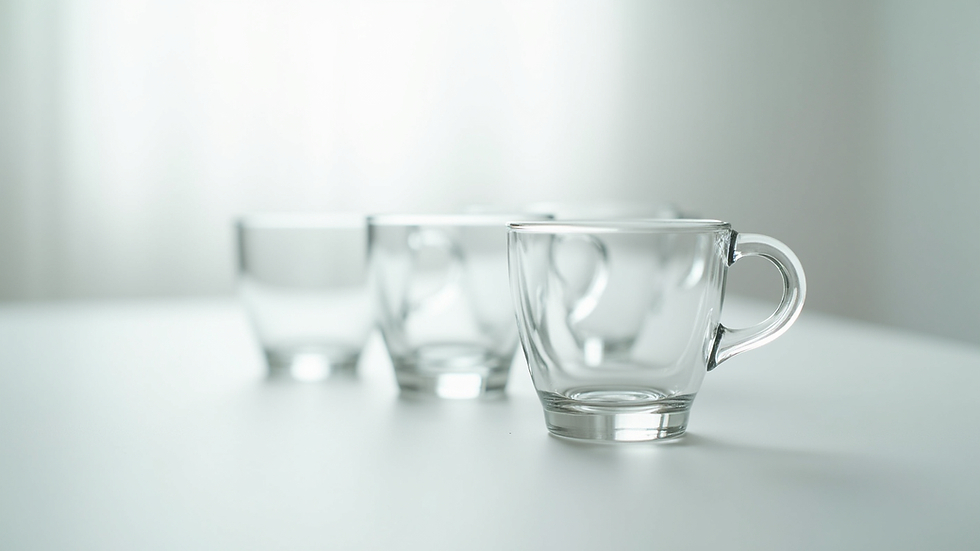
Hijama therapy involves creating gentle suction on the skin using cups. This suction is traditionally believed to encourage circulation and support the body’s natural processes. The procedure is carried out carefully and hygienically, with strict attention to cleanliness and client safety. Cups are commonly made from glass, plastic, or silicone, and suction may be created using either mechanical devices or traditional methods, depending on the practitioner’s approach.
Hijama is rooted in the Sunnah of the Prophet Muhammad (peace be upon him), who recommended it as a traditional wellness practice. It is important to understand that hijama is not a cure-all and should be viewed as a complementary wellness practice rather than a replacement for medical care. Many people choose hijama as part of a holistic approach to wellbeing.
Benefits of Hijama Therapy
Many people choose hijama therapy as part of a holistic approach to wellbeing. While experiences can vary from person to person, hijama is traditionally associated with the following supportive benefits, based on long-standing practice and individual experiences:
Pain Support Hijama may help support comfort in muscles and joints by encouraging relaxation and easing areas of tension
Stress Relief and RelaxationThe therapy is often described as calming and may help reduce feelings of stress by promoting physical and mental relaxation
Support for Circulation The suction applied during hijama is traditionally believed to encourage blood flow to targeted areas, supporting overall circulation.
Improved Circulation: The suction effect encourages blood flow to targeted areas.
General Wellbeing Some individuals report feeling refreshed or more balanced following sessions as part of their wider wellness routine.
It is important to approach hijama therapy with realistic expectations. Hijama is a traditional wellness practice and should not be considered a replacement for medical care. Anyone with ongoing or serious medical concerns should seek advice from a qualified healthcare professional.
The Process of Hijama Therapy
A typical hijama session involves several steps to ensure safety and comfort:
Consultation: Your practitioner will discuss your general health, previous experiences with hijama, and any relevant considerations before beginning.
Preparation: Cups are placed on selected areas of the body based on the agreed approach.
Application of Cups: Cups are placed on specific points on the body.
Creation of Suction Gentle suction is applied using either mechanical devices or traditional methods, depending on the practitioner’s technique.
Duration: The cups remain in place for a short period, tailored to the individual session.
Removal and AftercareThe cups are removed carefully, the skin is cleaned again, and aftercare guidance is provided to support comfort following the session.
Throughout the session, the practitioner monitors your comfort and adjusts the process as needed.

Safety and Hygiene in Hijama Therapy
Safety and hygiene are paramount in hijama therapy. Professional practitioners follow strict protocols to prevent infection and ensure client wellbeing:
Sterilised Equipment: All cups and tools are sterilised before use.
Single-Use Blades: If small incisions are made, only sterile, disposable blades are used.
Clean Environment: Therapy rooms are kept clean and comfortable.
Proper Training: Therapists are trained in anatomy, hygiene, and Sunnah-based practices.
Client Comfort: Practitioners ensure the client feels safe and informed throughout the session.
Choosing a qualified therapist who adheres to these standards is crucial for a positive experience.
Finding Professional Hijama Therapy in East London
If you are considering hijama therapy, it is important to select a practitioner who respects the Sunnah and prioritises your health and comfort. You can find reputable providers by checking credentials, reading reviews, and asking about their hygiene practices.
For those interested in exploring this therapy, hijama therapy east london offers professional services that focus on safe, Sunnah-based cupping treatments. These services aim to help clients manage pain, stress, and overall wellbeing in a supportive environment.
Preparing for Your Hijama Session
To get the most from your hijama therapy, consider the following tips:
Stay Hydrated: Drink plenty of water before and after the session.
Avoid Heavy Meals: Eat lightly before your appointment.
Wear Comfortable Clothing: Loose clothes make it easier to access treatment areas.
Communicate Openly: Share any concerns or health issues with your therapist.
Follow Aftercare Advice: Proper care after the session supports healing.
Being prepared helps ensure a smooth and beneficial experience.
Embracing Sunnah-Based Healing Practices
Hijama therapy is more than a physical treatment; it is a practice deeply connected to faith and tradition. By following the Sunnah, this therapy offers a holistic approach to health that respects both body and spirit.
Choosing hijama therapy in East London means engaging with a community that values these principles. It is a chance to connect with a time-honoured method of care that complements modern health practices.
I hope this overview has provided a clear understanding of hijama therapy and its role in supporting wellbeing. If you are considering this therapy, remember to prioritise safety, hygiene, and professional guidance to ensure the best possible experience.


Comments