
London’s Leading Hijama Cupping Clinics: A Guide to Safe and Sunnah-Based Therapy
Hijama, or cupping therapy, is a traditional practice rooted in Sunnah and has been used for centuries to support wellbeing. In London, there is a growing interest in this natural therapy, especially among those seeking a safe, hygienic, and professional approach. This post aims to provide clear, practical information about hijama cupping clinics in London, focusing on what to expect, how to choose a clinic, and the importance of safety and comfort.
Understanding Hijama Cupping Clinics London
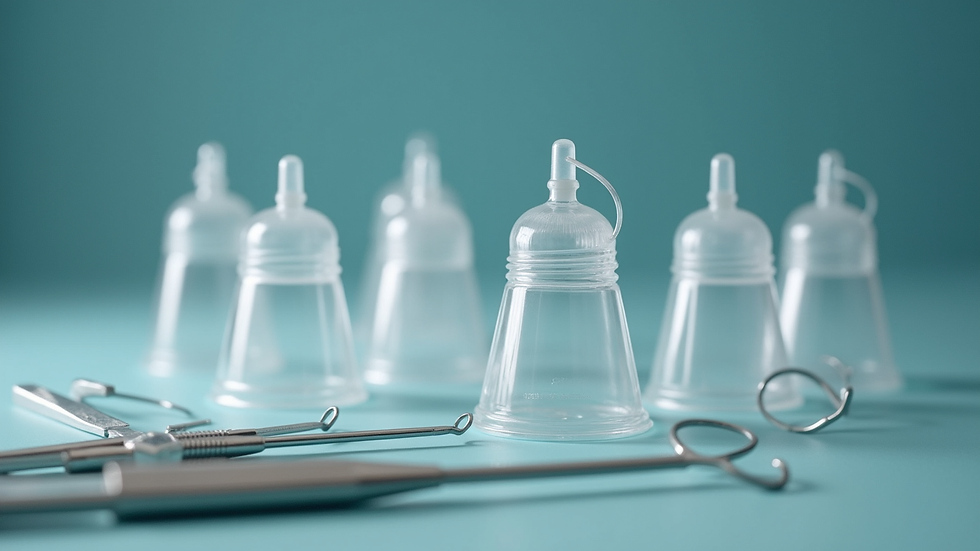
Hijama cupping clinics in London offer a service that follows the prophetic tradition while adhering to modern standards of hygiene and professionalism. The therapy involves creating suction on the skin using cups, which may be dry or combined with small, controlled incisions to draw out a small amount of blood. This process is believed to help with various health concerns and promote relaxation.
When looking for a hijama cupping clinic in London, it is essential to consider the following:
Practitioner qualifications: Ensure the therapist is trained and experienced in Sunnah-based hijama.
Clinic hygiene: The clinic should maintain strict cleanliness, using sterilised equipment and disposable tools where necessary.
Client comfort: The environment should be calm and private, with clear communication about the procedure.
Safety protocols: Proper aftercare advice and emergency procedures should be in place.
Choosing a clinic that respects these principles helps ensure a positive and safe experience.

What to Expect During Your Visit to a Hijama Cupping Clinic in London
Visiting a hijama cupping clinic in London for the first time can raise many questions. Here is a step-by-step overview of what typically happens during a session:
Initial consultation: The therapist will discuss your health history, current concerns, and goals for the treatment.
Preparation: The treatment area is cleaned thoroughly. The therapist explains the process and answers any questions.
Application of cups: Cups are placed on specific points on the body. Suction is created either by heat or a pump.
Duration: Cups remain in place for about 5 to 15 minutes, depending on the treatment plan.
Hijama (wet cupping): If wet cupping is performed, small, superficial incisions are made, and the cups are reapplied to draw out a small amount of blood.
Aftercare: The therapist cleans the area and provides advice on how to care for the skin and what to expect in the following days.
Throughout the session, the therapist monitors your comfort and adjusts the treatment as needed. It is normal to feel a gentle pulling sensation, but pain should be minimal.
Safety and Hygiene in Sunnah-Based Hijama Practice
Safety and hygiene are paramount in hijama cupping clinics. Following Sunnah does not mean compromising on modern health standards. Clinics in London combine traditional knowledge with contemporary best practices to protect clients.
Key safety measures include:
Use of sterile, single-use blades for wet cupping to prevent infection.
Disposable cups or thorough sterilisation of reusable cups.
Clean treatment rooms with regular disinfection.
Proper disposal of medical waste.
Practitioner hand hygiene before and after treatment.
Clear communication about contraindications and when to avoid hijama.
Clients should feel confident that their wellbeing is the top priority. If you have any health conditions or concerns, discuss them openly with your therapist before treatment.
How to Choose the Right Hijama Cupping Clinic in London
Selecting the right clinic is crucial for a safe and effective hijama experience. Here are some practical tips to help you make an informed choice:
Check credentials: Look for therapists who have completed recognised training in hijama and understand Sunnah-based methods.
Read reviews: Client feedback can provide insight into the clinic’s professionalism and client care.
Visit the clinic: If possible, visit beforehand to assess cleanliness and atmosphere.
Ask about equipment: Confirm that the clinic uses sterile, disposable, or properly sterilised tools.
Inquire about aftercare: A good clinic will provide clear guidance on what to do after the session.
Confirm pricing and policies: Transparent pricing and cancellation policies help avoid surprises.
By taking these steps, you can find a clinic that aligns with your expectations for safety, comfort, and authenticity.
The Role of Hijama in Supporting Wellbeing
Hijama is often sought for its potential to support pain management, stress relief, and overall wellbeing. While it is not a substitute for medical treatment, many find it a complementary approach that fits within a holistic lifestyle.
Some common reasons people choose hijama include:
Relief from muscle tension and stiffness.
Support for stress reduction and relaxation.
Assistance with circulation and detoxification.
Alignment with Sunnah practices for health maintenance.
It is important to approach hijama with realistic expectations and to use it as part of a broader health plan. Always consult healthcare professionals for serious or ongoing medical issues.
For those interested in exploring hijama, a reputable london hijama cupping clinic london can provide expert guidance and a safe environment to experience this traditional therapy.
Preparing for Your Hijama Session
Preparation can enhance the benefits and comfort of your hijama session. Here are some simple recommendations:
Stay hydrated before and after the treatment.
Avoid heavy meals immediately before the session.
Wear comfortable clothing that allows easy access to treatment areas.
Inform your therapist about any medications or health conditions.
Plan to rest after the session if possible, as some people feel relaxed or tired.
Following these tips helps ensure a smooth and positive experience.
Aftercare and What to Expect Post-Treatment
After your hijama session, proper care is essential to support healing and avoid complications. Typical aftercare advice includes:
Keep the treated area clean and dry for at least 24 hours.
Avoid strenuous exercise or heavy lifting immediately after.
Refrain from using lotions or creams on the cupping sites until healed.
Monitor the skin for any signs of infection, such as redness, swelling, or unusual pain.
Drink plenty of water to aid detoxification.
Most marks from cupping fade within a few days to a week. If you have any concerns, contact your therapist promptly.
Embracing Sunnah-Based Hijama in East London
East London is home to several professional hijama cupping clinics that combine traditional Sunnah practices with modern safety standards. These clinics provide a calm and respectful environment where clients can experience the benefits of hijama with confidence.
Whether you are new to cupping or seeking a trusted place for regular sessions, prioritising safety, hygiene, and practitioner expertise is key. By choosing a clinic that honours the Sunnah and follows best practices, you can enjoy a therapy that supports your wellbeing in a natural and respectful way.
If you are considering hijama, I encourage you to explore the options available and select a clinic that meets your needs. For more information, you can visit a reputable london hijama cupping clinic london to learn about their services and book a consultation.
This guide aims to provide clear, practical information to help you make informed decisions about hijama cupping clinics in London. With the right approach, hijama can be a safe and supportive part of your health and wellbeing routine.


During my research, I came across the leading gynaecology treatment clinics in the United Kingdom, which gave a clear overview of trusted providers.