

Wet cupping (Hijama) is a Sunnah therapy that helps remove stagnant blood and toxins from the body.
Benefits may include:
• Relief from back, neck, and shoulder pain
• Improved circulation
• Reduced muscle tension
• Support for overall wellbeing
Hijama is carried out in a clean, safe, and hygienic environment by trained practitioners.
At our London Hijama clinic, treatments are carried out in a calm, professional environment with a strong focus on hygiene, safety, and client comfort. Each session is performed using sterile, single-use equipment and follows strict cleanliness standards.
Hijama is a complementary wellness practice and is not intended to diagnose, treat, or cure medical conditions. Clients with existing health concerns are advised to consult a qualified healthcare professional before booking a session.
How we practise it safely
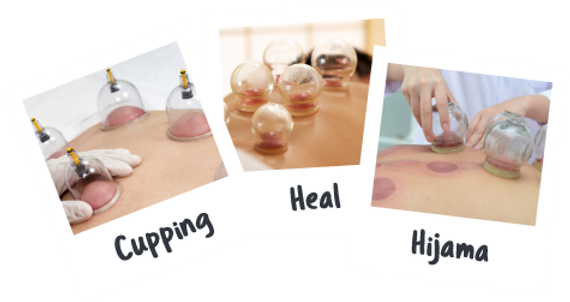

History of Hijama – Cupping Clinic
Hijama, commonly known as cupping therapy, is a traditional practice with a long history across many cultures. The term Hijama comes from the Arabic root al-hajm, which refers to drawing or extracting.
Historical records show that cupping was used in ancient Arab, Egyptian, Chinese, Greek, and Asian civilisations as part of early wellness traditions long before the development of modern healthcare systems.
In Islamic tradition, Hijama holds special significance due to its mention in the Sunnah. Over time, the practice has continued to evolve, with modern clinics focusing on hygiene, professionalism, and client comfort while respecting its historical roots.
Today, Hijama is offered as a complementary wellness practice, carried out in controlled, clean environments and chosen by individuals seeking traditional approaches to wellbeing.
Hijama is widely chosen as part of a holistic wellness routine. While individual experiences may vary, many clients report positive outcomes when Hijama is carried out professionally and responsibly.
Support for General Wellbeing
Hijama is often used by individuals looking to support their overall sense of balance and wellbeing through traditional, non-invasive practices.
Muscle Relaxation
Some clients report reduced muscle tightness and improved comfort following a session, particularly in areas of tension.
Relaxation and Stress Relief
The calm nature of a Hijama session may promote relaxation and help reduce feelings of everyday stress.
Circulation Support
The controlled suction used during Hijama encourages blood flow to targeted areas, which some clients find beneficial as part of their wellness routine.
Traditional Sunnah Practice
Hijama is rooted in the Sunnah and continues to be practised as part of traditional self-care by many individuals seeking natural approaches to wellbeing.

⚠️ Important Notice
Hijama is a complementary wellness practice. It is not a medical treatment and should not be used as a substitute for professional medical advice, diagnosis, or treatment.
Clients with existing health conditions should consult a qualified healthcare professional before booking a session.
